

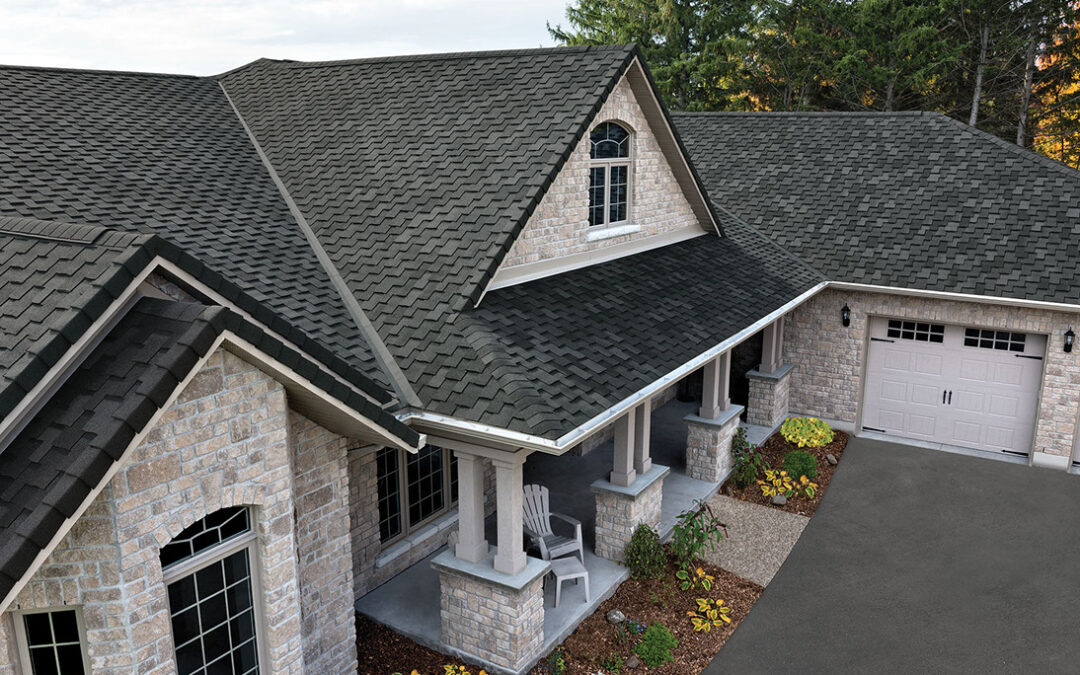
Your roof is one of the most important parts of your home, yet many homeowners don’t think about it until a serious problem appears. Knowing when it’s time to replace your roof can save you from expensive repairs, interior damage, and unnecessary stress.
Common Signs Your Roof Needs Replacement
One of the most obvious signs is missing or damaged shingles. If shingles are curling, cracking, or falling off, your roof is no longer providing proper protection. Granules collecting in gutters is another warning sign that shingles are breaking down.
Roof leaks are also a major indicator. While small leaks can sometimes be repaired, recurring leaks often mean the roofing system has reached the end of its lifespan. Water stains on ceilings or walls should never be ignored.
Another sign is roof age. Most asphalt shingle roofs last 20–25 years. Metal, tile, and flat roofs may last longer, but even they eventually wear out. If your roof is approaching its expected lifespan, a professional inspection is recommended.
Structural and Energy Efficiency Issues
A sagging roofline can indicate structural damage caused by trapped moisture or rotting decking. This is a serious issue that requires immediate attention.
An old roof can also affect your energy bills. Poor insulation and damaged roofing materials allow heat or cool air to escape, making your HVAC system work harder.
Repair vs Replacement
Not every roofing issue requires a full replacement. Minor damage may be repaired cost-effectively. However, if repairs are becoming frequent or expensive, replacement is often the smarter long-term investment.
Professional Inspection Matters
A professional roofer can assess the condition of your roof, identify hidden damage, and provide honest recommendations. Early action can prevent costly interior damage and protect your home’s value.
Replacing your roof at the right time ensures safety, comfort, and peace of mind for years to come.